
 See Our Latest Article on HelloNation
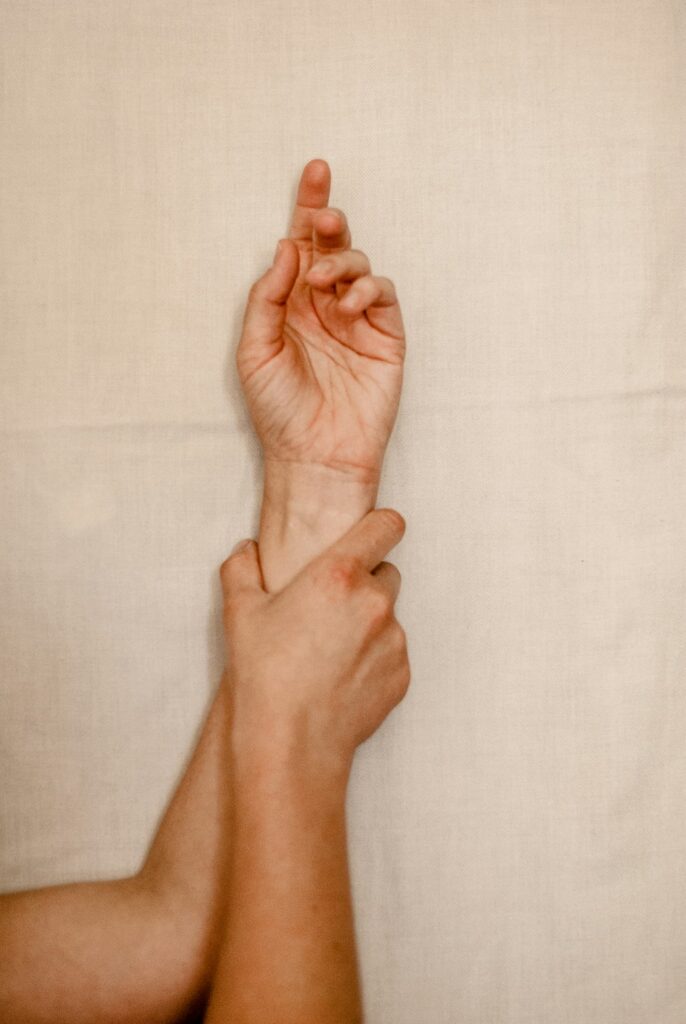
Living in Dunkirk, New York, we enjoy unique benefits—the lakeside, local artisan shops, and the hard-working spirit that defines our community. But for many, whether they spend hours at a Lake Erie-based warehouse, type away in a downtown office, or engage in crafts at home, carpal tunnel syndrome (CTS) can be a persistent challenge. Finding natural relief, especially tailored to our Dunkirk lifestyle, is key to regaining comfort and productivity.
What is Carpal Tunnel Syndrome?
Carpal tunnel syndrome is a condition caused by pressure on the median nerve as it travels through the carpal tunnel in your wrist. Common symptoms include numbness, tingling, pain, and muscle weakness in your hand or wrist. For those in jobs that require repetitive wrist motions—like many in Dunkirk's manufacturing, fishing, or office sectors—CTS is a frequent concern.
Recognizing Carpal Tunnel Symptoms in Everyday Life
Living and working in Dunkirk means we're often active with our hands. If you notice:
- Tingling or numbness when driving along Route 5 or typing emails
- Weakness while holding a coffee mug at Lakeshore Café
- Pain after a craft night at home with family
…these might be early signs of CTS.
Natural Relief Methods
Managing carpal tunnel doesn't always require surgery or medications. Many natural, at-home remedies can offer substantial relief:
1. Wrist-Friendly Lifestyle Adjustments
Modify Your Workstations: Whether you’re working at the Dunkirk Boardwalk Market or at home, ensure your wrists stay neutral. Adjust your desk or table so that wrists aren’t bent up or down as you work.
Ergonomic Tools: Use supportive mousepads or split keyboards. For local bakers, consider ergonomic rolling pins or knives with padded handles.
Take Frequent Breaks: Set alarms, perhaps as reminders between trips to Dunkirk’s pier, to stretch and shake out your hands.
2. Simple Stretches and Exercises
Incorporate these routines, whether before opening your Main Street business or between tasks at the Fredonia-Dunkirk library:
- Wrist Extensions: Hold your arm out, palm down. Gently pull back on your fingers with your other hand for 30 seconds.
- Prayer Stretch: Place your palms together at chest level and slowly lower your hands toward your waist until you feel a stretch in your wrists.
- Tendon Glides: Make a fist, then open your hand fully. Repeat several times.
These exercises are perfect, quick routines for snowy Dunkirk winter mornings or a restful break at Point Gratiot Park.
3. Cold and Warm Therapy
*For acute pain:* Use a cold pack on your wrist for about 10 minutes—especially helpful after a bout of shoveling snow or gardening in your Dunkirk backyard.
*For stiffness:* A warm towel or soaking your wrists in warm (not hot) water can relax tight muscles and improve blood flow.

4. Nighttime Wrist Support
Many in Dunkirk notice carpal tunnel symptoms worsen at night. Wearing a wrist splint while you sleep keeps your wrist in a neutral position, minimizing pressure on the median nerve.
5. Hand Massage — Solo or at a Local Spa
Self-massage can help relieve tension. Gently massage the palm and forearm in circular motions, pausing to stretch each finger. Dunkirk offers skilled holistic therapists and spas who can further personalize treatments for residents.
6. Reduce Inflammation Naturally
*Adopt an Anti-Inflammatory Diet*: Enjoy local produce from Dunkirk’s farmers markets—think berries, leafy greens, walnuts, and oily fish. These foods, rich in antioxidants and omega-3 fatty acids, naturally reduce inflammation that worsens CTS.
*Hydrate Well:* Lake Erie’s fresh air reminds us to drink more water. Proper hydration helps nerve health and joint lubrication.
7. Manage Repetitive Motions
For those in industries like food processing, local manufacturing, or even knitting clubs, try to alternate hand activities regularly to avoid overuse.
8. Support Your Overall Posture
Many are surprised to learn that poor posture, particularly slouching shoulders and neck, can shift nerve pathways and exacerbate CTS. Be mindful of your sitting and standing posture whether at a waterfront concert or while working from home.
When to Seek Professional Help in Dunkirk
Natural methods offer substantial relief, but if numbness, pain, or weakness persist—or if you begin to drop objects frequently—it’s important to consult an experienced health professional. Many local chiropractors, physical therapists, and holistic providers are familiar with the Dunkirk community’s specific needs.
Final Thoughts
Carpal tunnel syndrome doesn’t have to limit your enjoyment of Dunkirk’s active lifestyle. By integrating these natural approaches into your daily routine, you can minimize discomfort and continue to enjoy all the opportunities our lakeside city offers. Remember, small changes—a wrist stretch here, an adjusted desk setup there—add up to meaningful relief.
For anyone in Dunkirk, from students at SUNY Fredonia to retirees enjoying the parks, these strategies bring you closer to pain-free living—naturally.
